Inspire
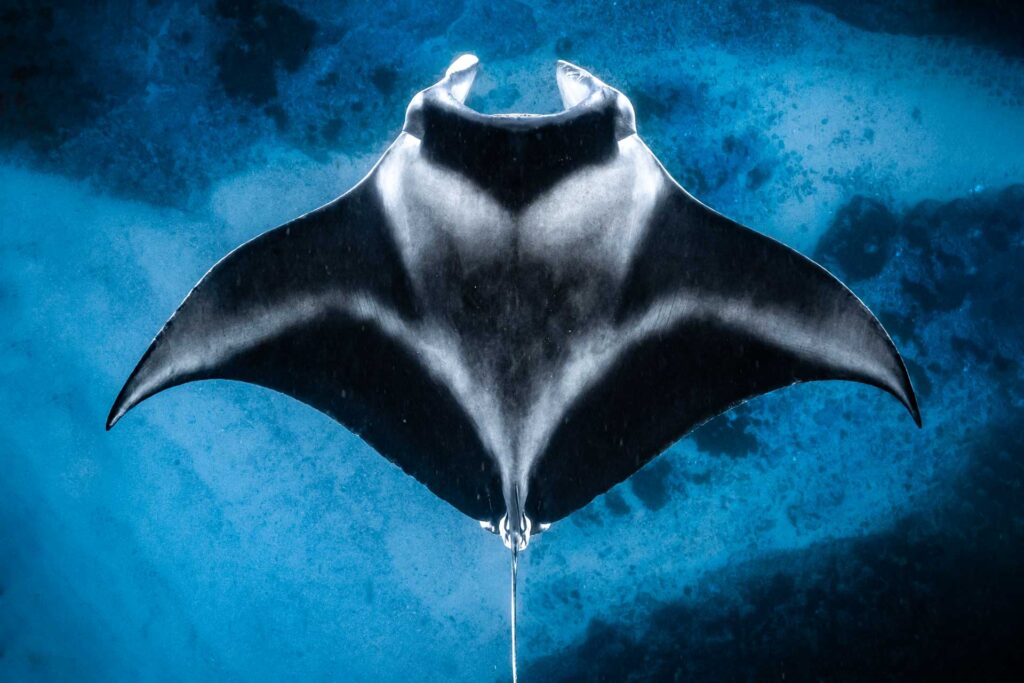
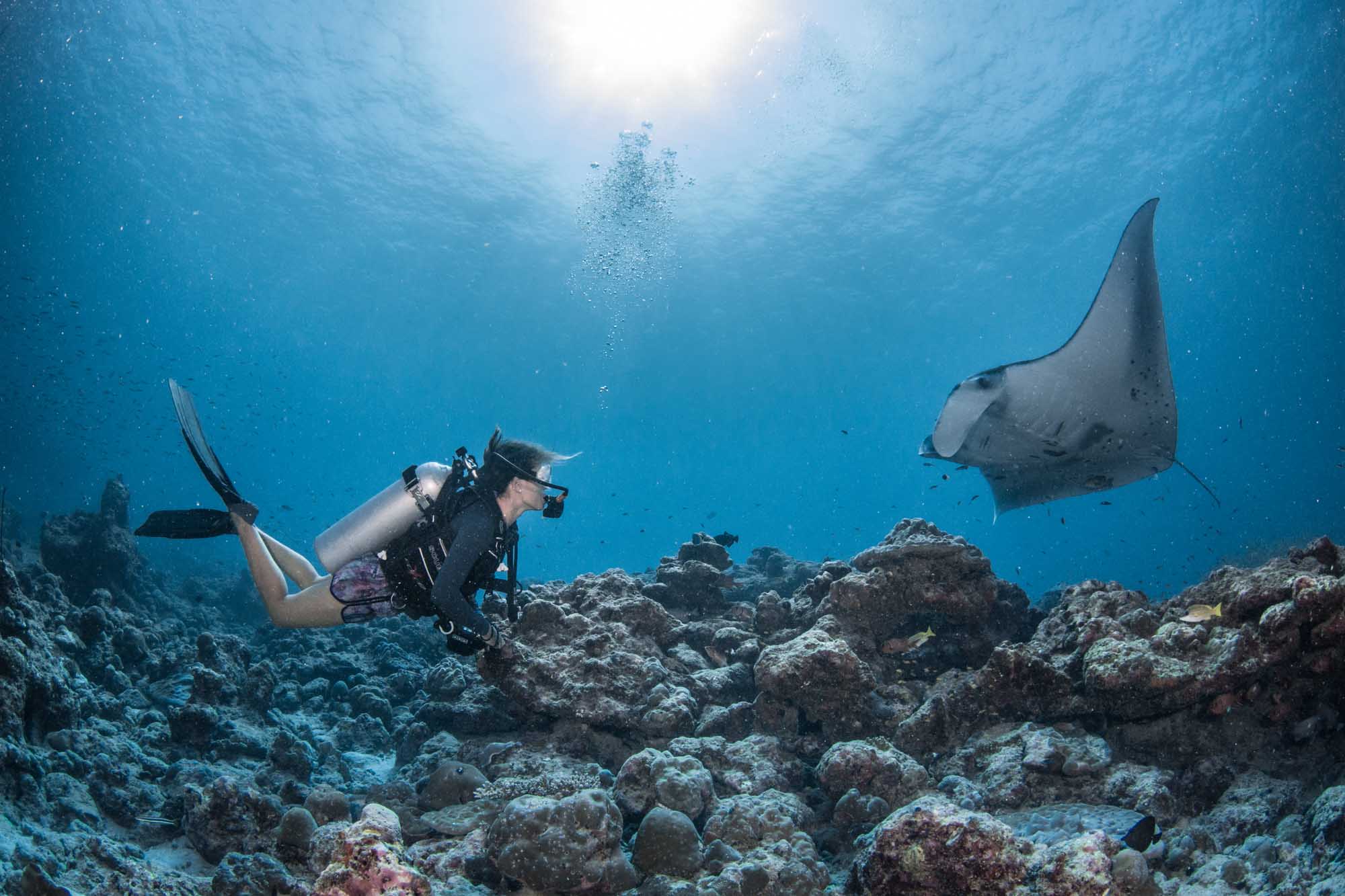
Conservation begins with connection. The Manta Foundation aspires to deepen understanding of manta rays and empower people of all ages to become active stewards of our oceans. Through education, citizen science, and community engagement, we transform curiosity into action and awareness into impact. Manta rays are some of the ocean’s most captivating species. With wingspans reaching up to seven metres, these graceful filter feeders glide effortlessly through tropical and temperate waters, feeding on plankton and small fish.
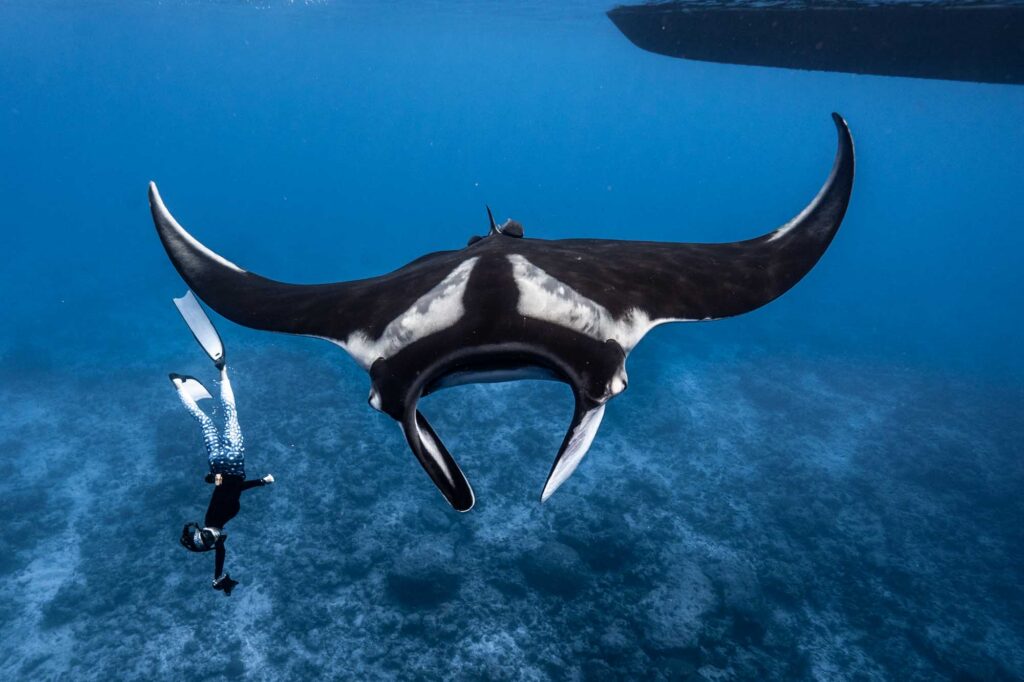
Up to 7 m wingspan
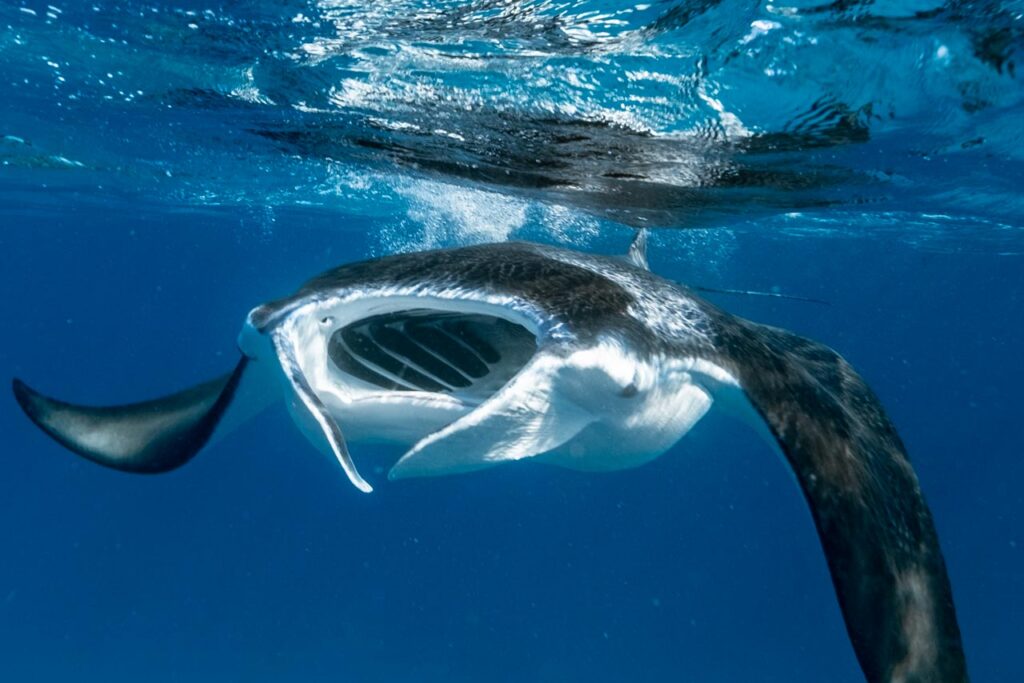
Harmless filter feeders
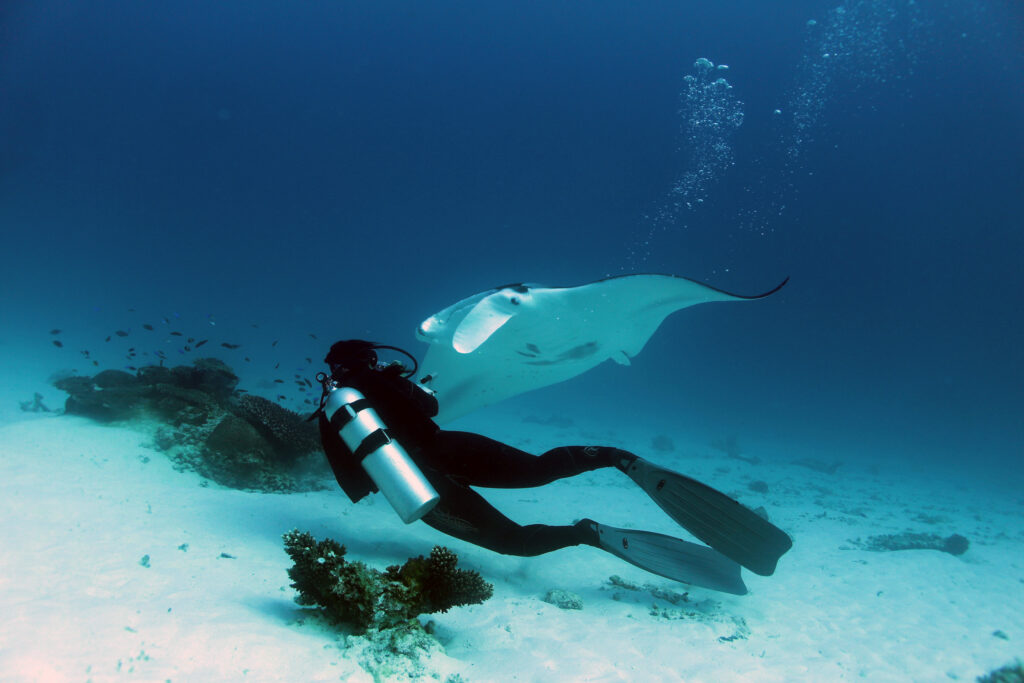
Interactive with humans
Despite their size and presence, they are harmless to humans and play an important role in maintaining healthy marine ecosystems. Your support isn’t just a donation—it’s a lifeline that helps us safeguard these incredible animals and the oceans they call home. Together, we can ensure that future generations experience the magic of manta rays in the wild—not just in history books.
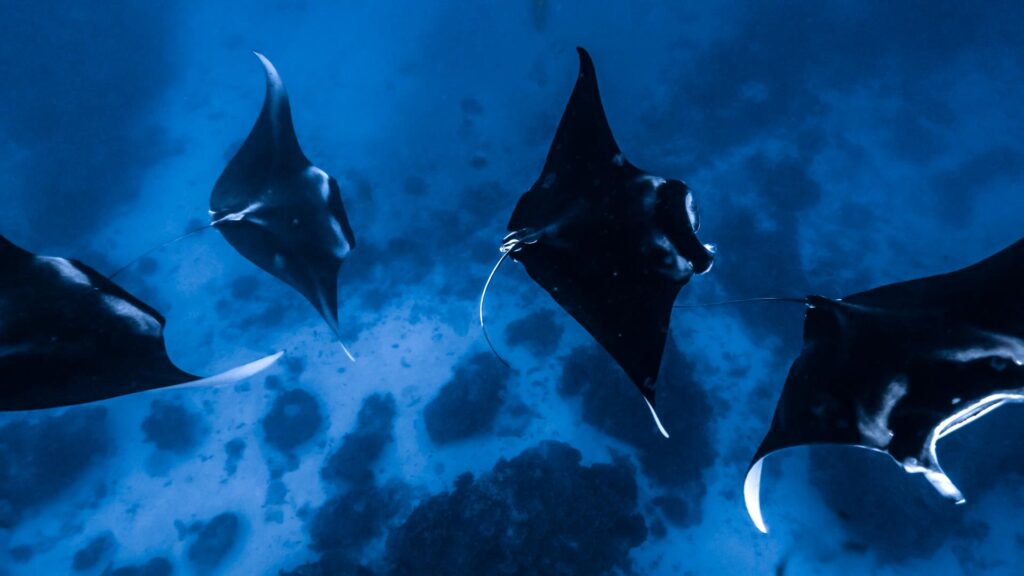
Meet our manta rays
Every manta ray is an individual. They can be identified by their unique spot patterns – like fingerprints – and many have been tracked over thousands of kilometres. Here are some of the stories that remind us why this work matters.
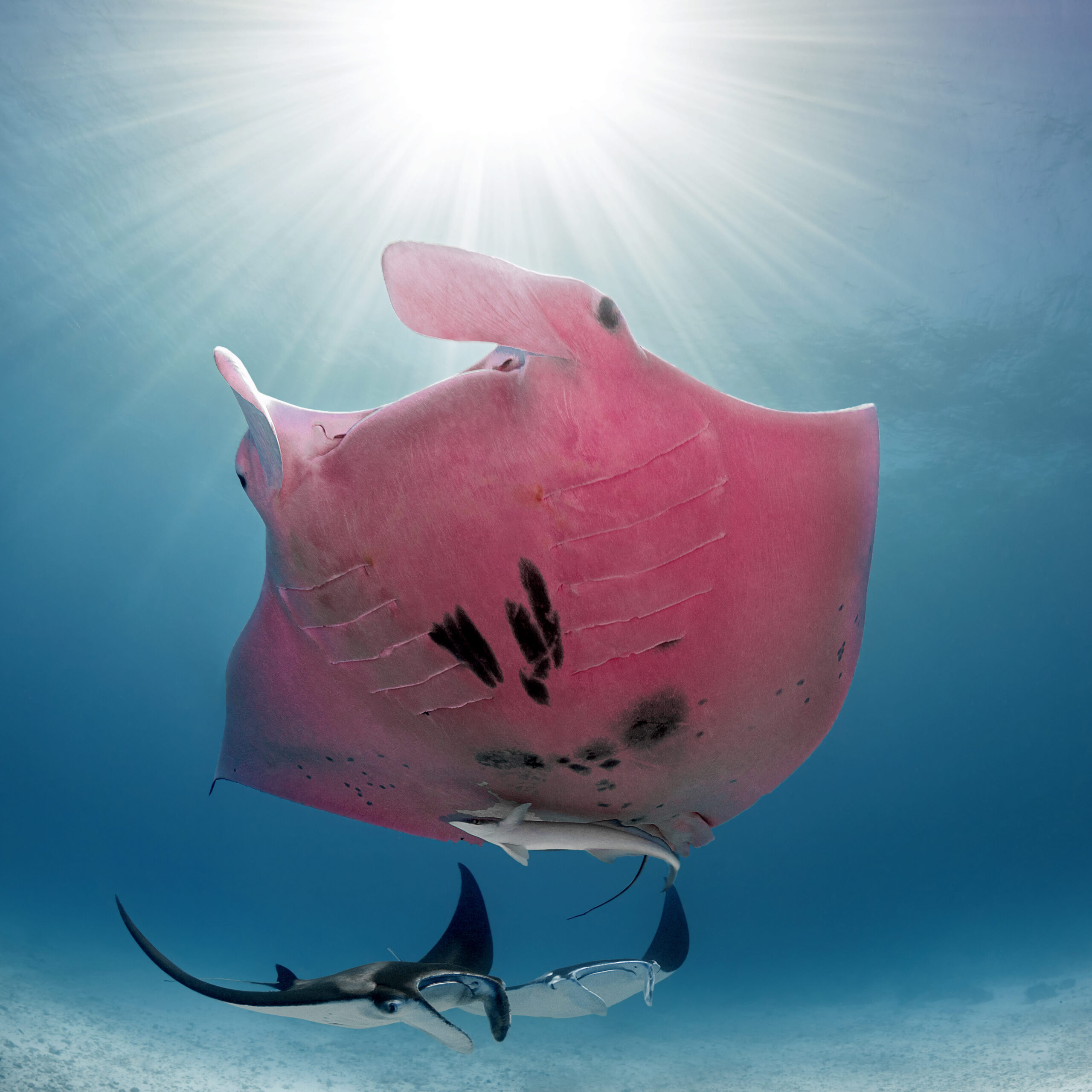
Inspector Clouseau
Inspector Clouseau – the Pink Manta Ray: Perhaps the world’s most famous manta ray, Inspector Clouseau is the only known pink manta ray ever recorded. Spotted off Lady Elliot Island on the Great Barrier Reef, his colouration is believed to result from a rare genetic mutation. He’s been sighted most years since 2015, and every encounter is a reminder of how much ocean life still has to teach us.
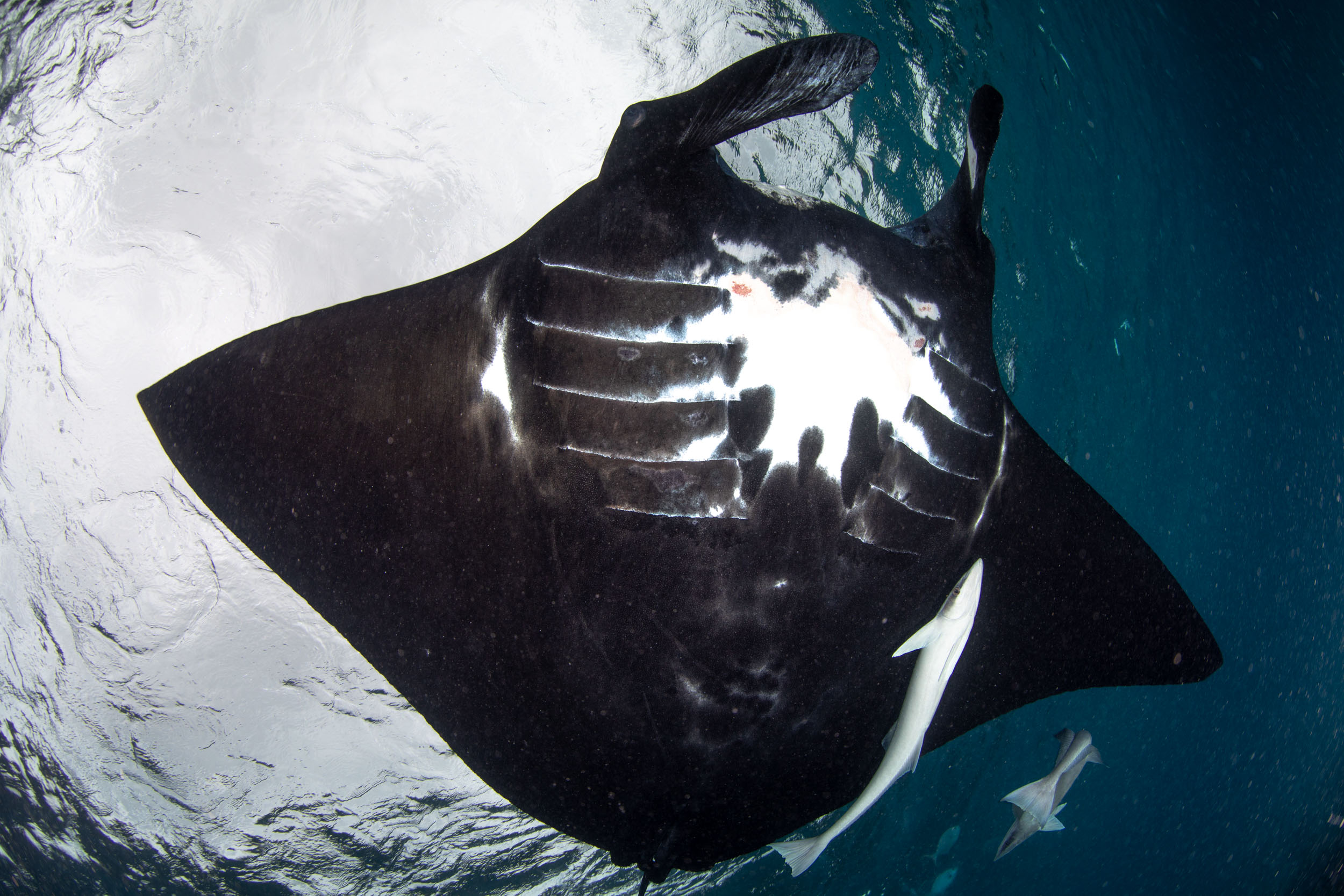
Oldest known manta ray
Taurus – the Grandfather of the Reef: The oldest known manta ray was first sighted back in 1982 as a mature male and is still regularly spotted around Lady Elliot Island, likely in his 50s by now. This grand old age is more akin to longevity estimates for mammals like ourselves, than for fish – another example of the secrets these charismatic rays still have to share.
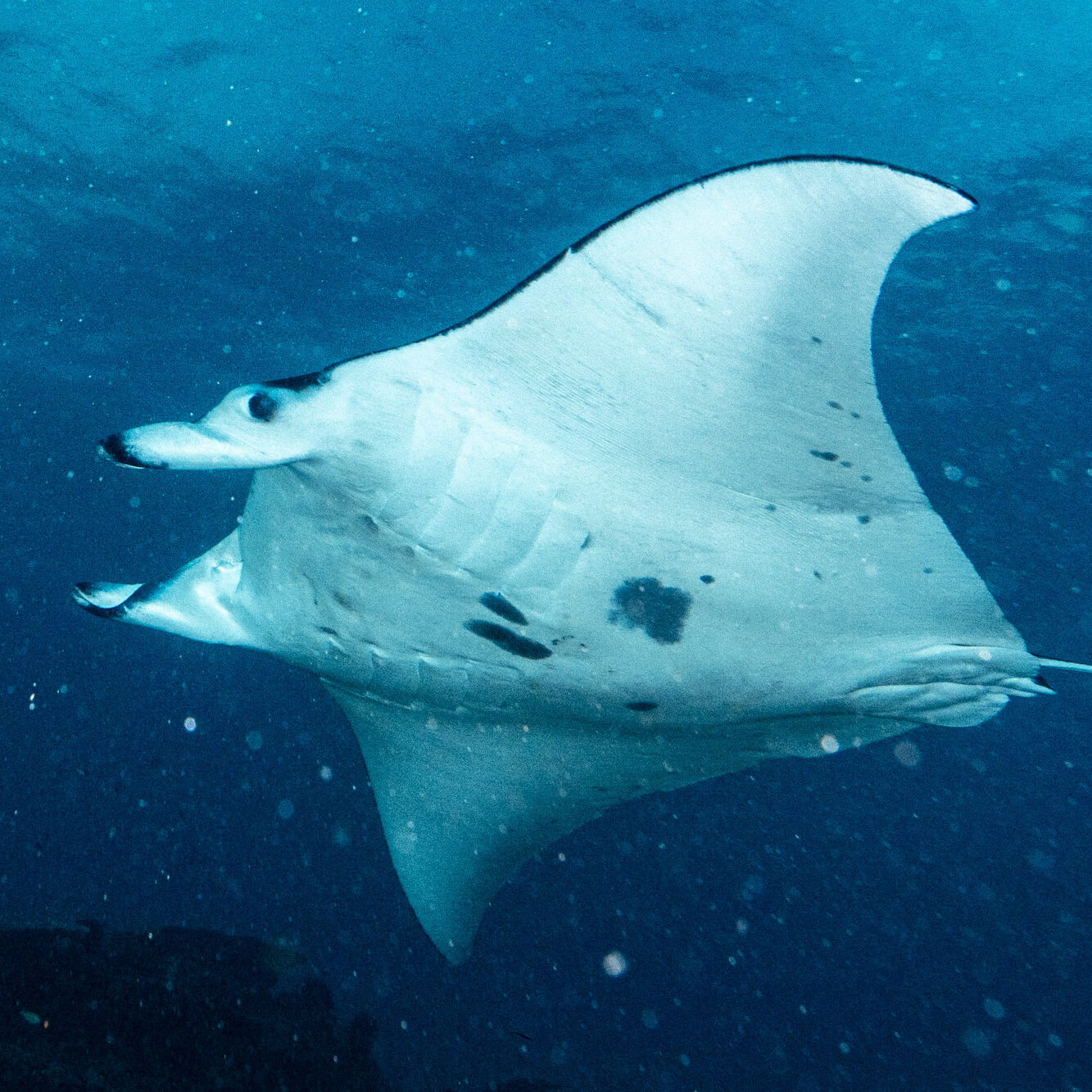
Furthest recorded migrations
The Great Journey: Two manta rays were identified by Project Manta off North Stradbroke Island in southeast Queensland and both travelled over 1,100 kilometres to the SS Yongala wreck in northern Queensland – the longest recorded straight line movement for this species. This discovery revealed that manta rays can use vast marine corridors, and why protecting their habitats at scale is so critical.