About
Our Story
The Manta Foundation was created when a small group of committed individuals came together to continue the journey of preserving manta rays in Australia. With the background and expertise of the Manta Trust and Project Manta combined, the idea for an Australian manta ray focused foundation was conceived. By bringing together some of the foremost academics in the field, we have been able to move from idea to reality. The Manta Foundation is a true confluence of passion and science. The team is passionate about research, conservation, education, and manta rays, while also bringing a high degree of scientific rigour to ensure that we are funding projects which will make the most impact. The foundation is committed to continuing the work of Project Manta and extending that support to encourage more education and science in Australia and surrounding countries.
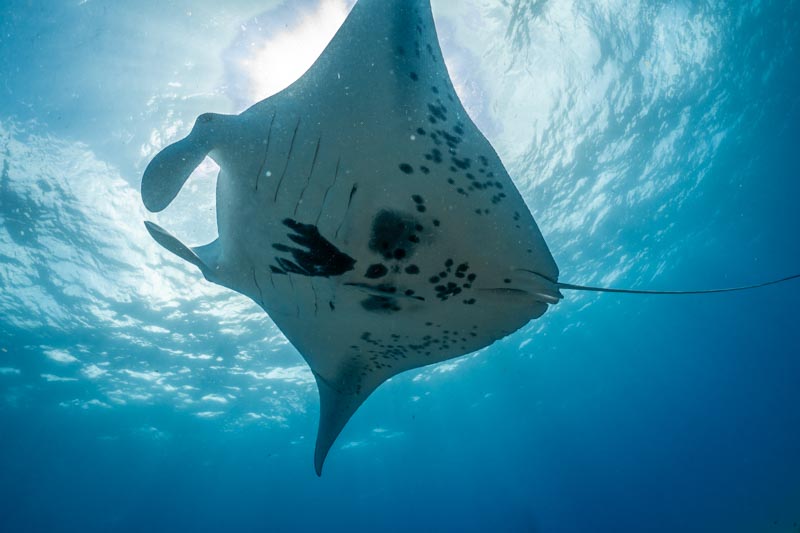
Our core purpose is to advance the conservation of manta rays, their relatives and their habitats in Australian and global waters. We support and raise awareness for research and educational work that increases capacity and understanding of these incredible species.
The Manta Foundation is affiliated with the Manta Trust organisation, the global leader in manta and devil ray conservation.
We intend to use funds to enhance the work of Project Manta and build on the work of the Manta Trust which has helped gain international protections for manta rays in key manta and devil ray fishing nations; resulted in over 100 academic publications; and allowed 8,000+ students around the world to access online and in-person marine biology education.
You can help. Donations to the Manta Foundation will allow us to secure the future of Australia’s leading manta ray research program, Project Manta, as well as other research focused on manta rays and their relatives; increase scientific knowledge about local populations and threats; support educational work that will shape the next generation of ocean conservationists in Australia and beyond; and introduce more people to the beauty of manta rays.
Our team
Executive Officer
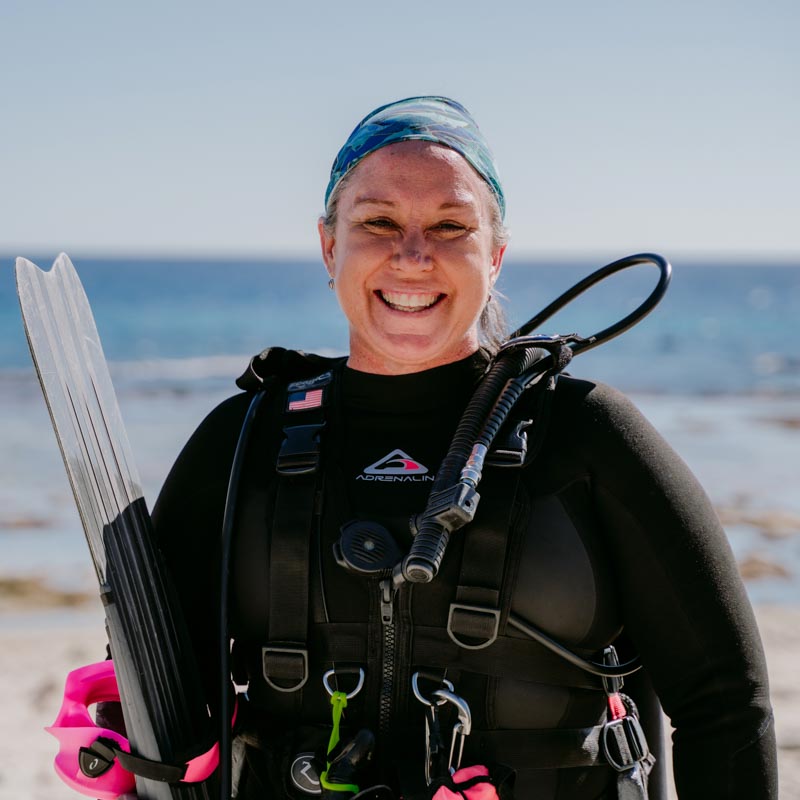
Dr Asia Haines (Armstrong)
Asia Haines is a marine scientist with a passion for the conservation of threatened species, especially sharks and rays. She grew up in northern New South Wales, and spent all her spare time in and around the water. After some years exploring the world, she returned to university to gain her Bachelors in Marine Studies where she started working for the multidisciplinary team at Project Manta. During this time Asia also worked with the Australian Marine Conservation Society, an advocacy group focussed on increasing marine protected areas and strengthening laws around threatened species management and protection.
Asia completed her PhD on the Spatial Ecology of Manta Rays in 2022, and is currently the Principal Scientist and Project Manager for Project Manta. She has vast experience in the collection and use of citizen science data, and engaging stakeholders and community members to get involved with research and conservation. Asia works for the IUCN SSC Shark Specialist Group’s Important Shark and Ray Areas project, helping to map the habitats essential for the survival of these threatened species. Asia is also a long-term collaborator with the Manta Trust team and their affiliates.
Board of Directors
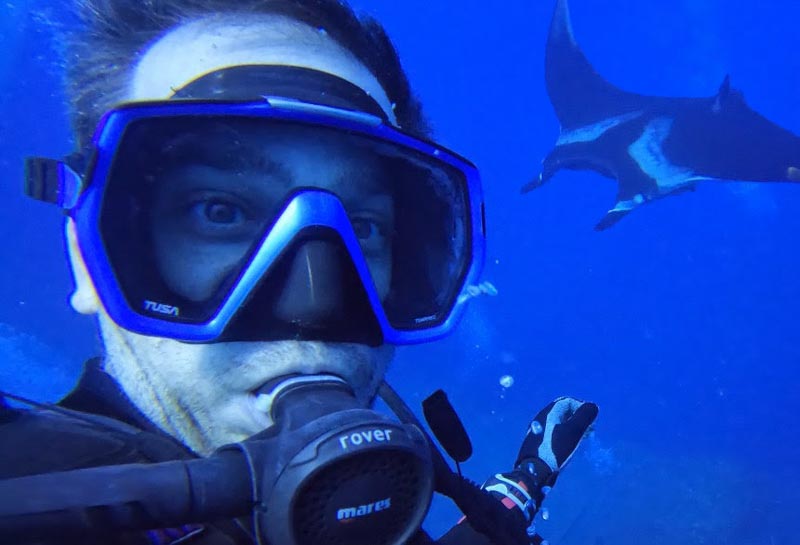
Josh Heller – Independent Chair
Josh Heller is a financial services professional with over 22 years of global experience. After beginning his career in New York with a global investment bank, he moved to Australia with his family and continues to work in the asset management industry building solutions for the superannuation and insurance. Josh sits on multiple boards including a leading independent school and a non-profit which manages means-tested scholarships in Sydney.
He is a graduate of the Australian Institute of Company Directors. Josh learned to dive in 2006 and from the moment he put his head under the water was fascinated with the wonder and majesty of the oceans. He was first introduced to mantas on a dive trip to the Maldives in 2015 and has joined expeditions to help preserve manta rays and the broader ocean ecosystem. Josh’s two children recently learned to dive, and he wants them and others to be able to experience the same wonder and fascination with the world beneath the surface.
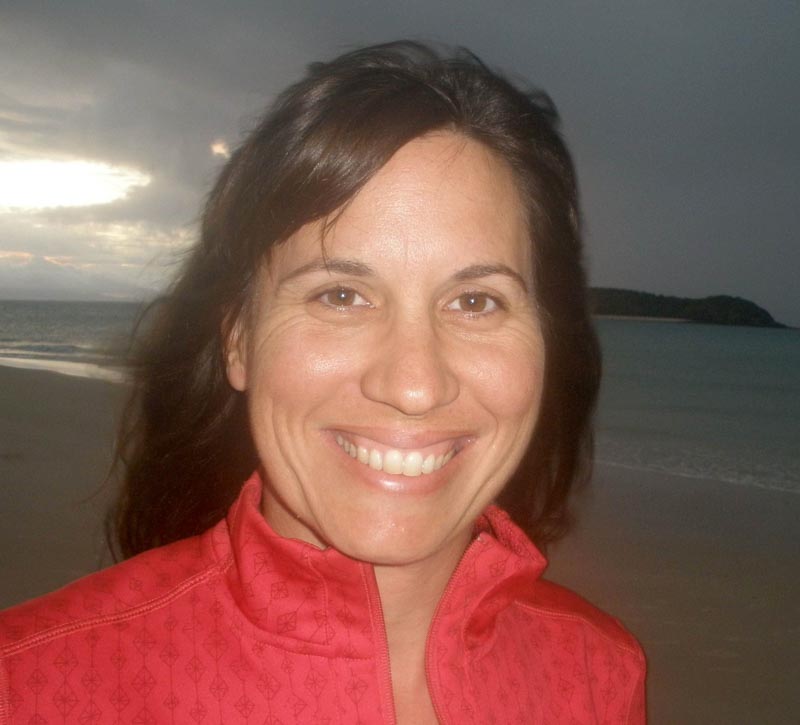
Dr Christine Dudgeon
Christine Dudgeon is a Senior Researcher at the University of the Sunshine Coast and the Biopixel Oceans Foundation, where she studies how biodiversity originates and persists through time. Her research explores evolutionary processes driving species formation and the ecological mechanisms sustaining populations, linking fundamental science with applied wildlife management to inform conservation and policy. She works across diverse marine taxa—corals, seabirds, fishes, and whales—with particular expertise in chondrichthyans (sharks, rays, and chimaeras).
Her work has led to the discovery and description of new shark and teleost species, underscoring the role of taxonomy in conservation. Her PhD examined the population ecology of Indo-Pacific leopard sharks, revealing key insights into movement, demography, and conservation needs. She is a founding member of StAR (Stegostoma tigrinum Augmentation and Recovery), the world’s first shark rewilding program under the ReShark initiative. A member of the IUCN Shark Specialist Group since 2015, she has served as Oceania Co–Vice Chair since 2021. She also contributes to manta and mobulid ray research through Project Manta and international collaborations on devil rays.
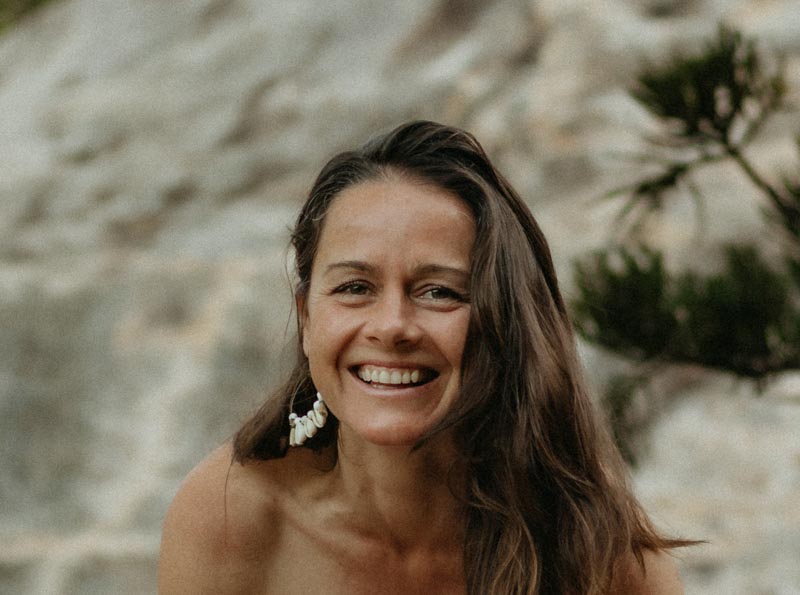
Isabel Ender
Isabel combines her passion for marine science and communications to deliver impactful conservation initiatives. She holds a Master’s degree in International Business from the Netherlands and a Master’s in Marine Biology from James Cook University (JCU), Australia. Over the past 15 years, Isabel has worked on a range of exciting marine megafauna projects. In 2014, Isabel joined the Manta Trust as Head of Conservation Strategy, where she led the Manta Trust Global Mobulid Programme, achieving key milestones such as securing international protections for mobulid rays under CITES and CMS agreements.
She also developed the Global Devil and Manta Ray Conservation Strategy, built partnerships worldwide, and engaged with local communities to promote marine conservation. In 2019, Isabel began a new role with the Queensland Government’s Great Barrier Reef and Marine Parks program. Her work addresses five key areas: conservation actions, environmental monitoring, incident response, visitor experience enhancement, and compliance. While Isabel’s current focus is on protecting Australia’s iconic Great Barrier Reef, she remains dedicated to global conservation efforts. She continues to serve as a pro bono consultant to the Manta Trust and her career reflects her unwavering commitment to marine conservation.
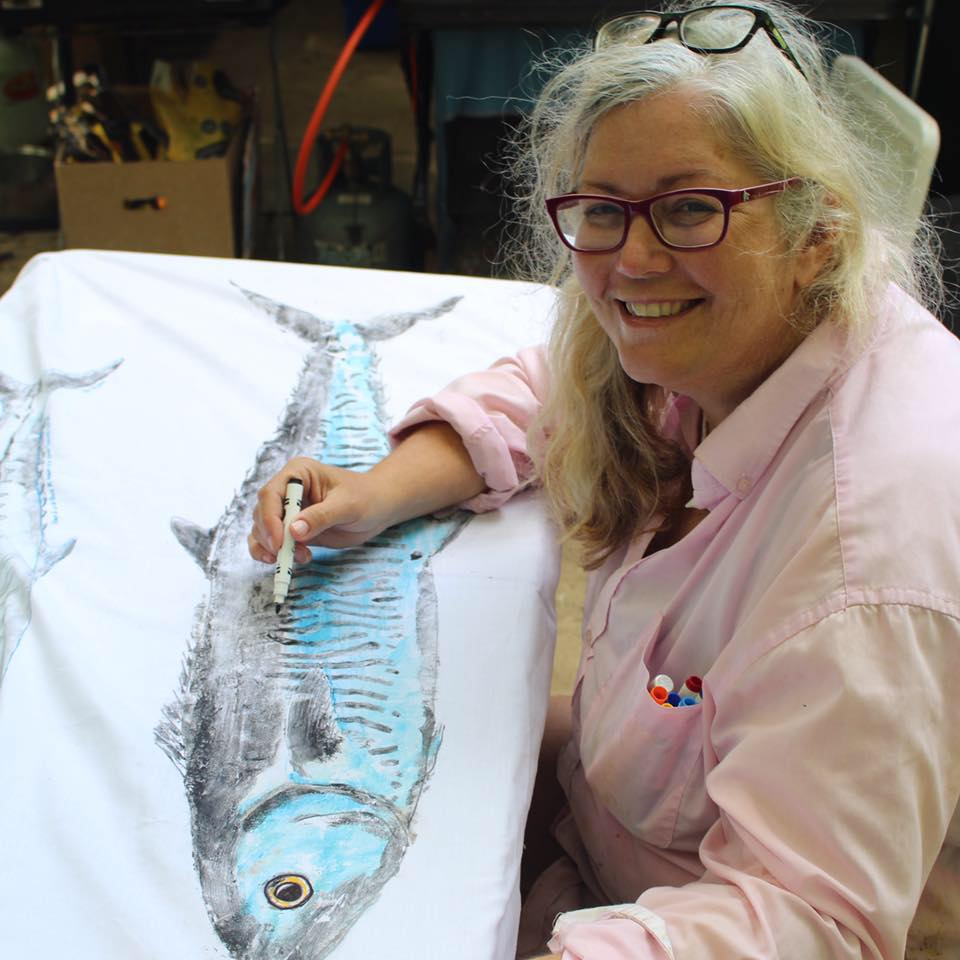
Dr Kathy Townsend
Kathy Townsend is an animal ecologist with over 20 years of experience in marine research, conservation, and education. She began her career studying coral reef ecosystems and the impacts of human activity on marine biodiversity. Her work has taken her from the Great Barrier Reef to the Galápagos Islands, leading field expeditions, collaborating with international teams, and mentoring emerging scientists. Kathy is a Professor of Animal Ecology, where she combines teaching with active research. Her focus includes marine megafauna, plastic pollution, and tropical reef ecology.
She is a passionate advocate for science communication and citizen science, and has contributed to numerous peer-reviewed publications. She serves on advisory panels for marine conservation organizations and helps shape policies to protect vulnerable ocean species. Kathy also leads outreach programs that engage communities and schools in marine stewardship. Her fascination with manta rays began during a research dive at Heron Island reef in the late 1990s, where she once lived and worked. In response to the lack of data on Australian mantas, she founded Project Manta in 2007 and has since dedicated much of her career to studying and conserving these majestic animals.
Advisor
Dr Guy Stevens
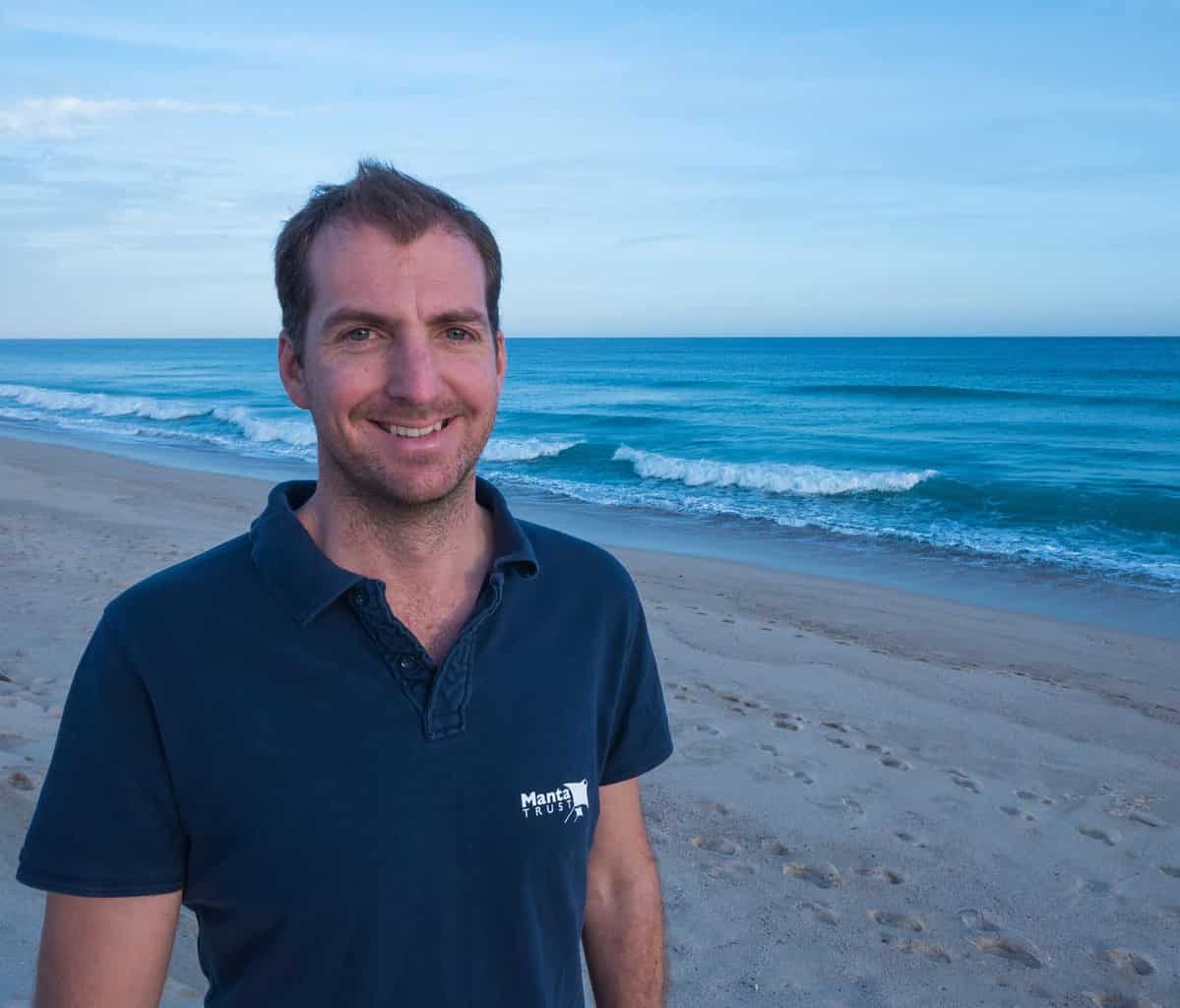
Guy Stevens is the Chief Executive and Founder of the Manta Trust. He has spent the last 20 years studying mobulids all over the world and is one of the foremost experts on these species. He founded the Maldives Manta Conservation Programme in 2005 and after 11 years of research, he completed his PhD on the world’s largest population of reef manta rays at the end of 2016.
His conservation efforts in the Maldives have led to the creation of several marine protected areas at key manta aggregation sites, most notably at Hanifaru Bay. Internationally, he is part of a team which has driven the conservation of mobulids forward, resulting in the listing of all manta and devil rays in the Appendices of the Convention on the Conservation of Migratory Species of Wild Animals (the Bonn Convention) and the Convention on International Trade in Endangered Species of Wild Fauna and Flora (CITES). He is the author of two books; the award winning MANTA – The Secret Life of Devil Rays, published in 2017, and the Guide to Manta and Devil Rays of the World, published in 2018, and he has also published over 40 peer-reviewed research papers
All donations over $2 are tax deductible in Australia